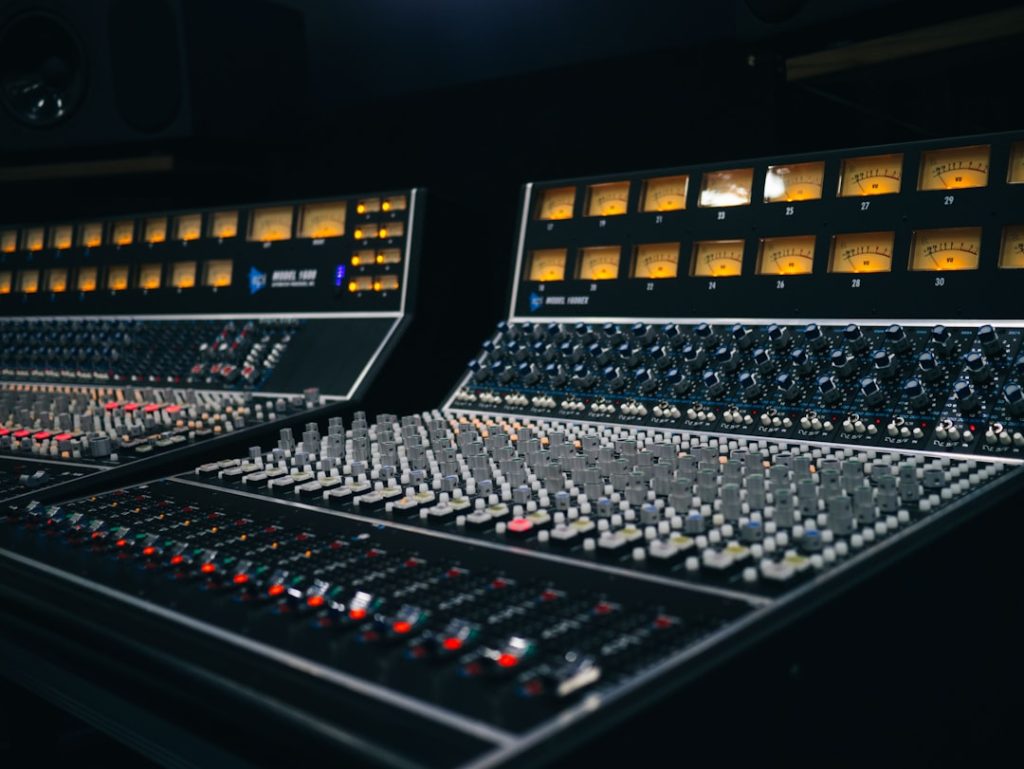
The indie music industry has grown significantly over the past few decades, offering artists a platform to express their creativity without the constraints of major record labels. This shift has empowered musicians to take control of their careers, allowing them to connect directly with their audience. The rise of digital technology and social media has played a crucial role in this transformation, enabling independent artists to distribute their music widely and build a loyal fan base.
Indie artists often face unique challenges, such as limited budgets and resources. However, these obstacles can also foster innovation and resilience. Many indie musicians thrive on their ability to adapt and find new ways to reach listeners. As the landscape continues to evolve, understanding the dynamics of the indie music industry becomes essential for any artist looking to make their mark.
Building Your Brand as an Indie Artist
Establishing a strong brand is vital for indie artists. Your brand is more than just your music; it encompasses your image, values, and the story you tell through your art. Start by defining what makes you unique. Consider your musical style, influences, and the message you want to convey. This clarity will help you create a cohesive identity that resonates with your audience.
Once you have a clear vision, focus on visual elements like your logo, album artwork, and social media presence. Consistency across all platforms reinforces your brand and makes it more recognizable. Engage with your audience by sharing behind-the-scenes content, personal stories, and insights into your creative process. This connection fosters loyalty and encourages fans to support your journey.
Utilizing Social Media and Online Platforms for Exposure
Social media is a powerful tool for indie artists looking to gain exposure. Platforms like Instagram, TikTok, and Twitter allow you to share your music and connect with fans in real time. Regularly posting updates about your music, upcoming shows, and personal experiences can keep your audience engaged. Use these platforms to showcase your personality and build a community around your brand.
In addition to social media, consider utilizing streaming services and music distribution platforms. Services like Spotify, Apple Music, and Bandcamp provide opportunities for artists to reach a global audience. Create playlists that feature your music alongside tracks from other artists you admire. This not only promotes collaboration but also introduces your sound to new listeners who may appreciate your style.
Monetizing Your Music: Streaming, Downloads, and Physical Sales
Monetizing your music is essential for sustaining your career as an indie artist. Streaming platforms have become a primary source of income for many musicians. While the payout per stream may be low, building a substantial following can lead to significant earnings over time. Encourage fans to stream your music regularly and consider offering exclusive tracks or early access to new releases as incentives.
Digital downloads remain a viable option for monetization as well. Many fans appreciate the ability to own a copy of their favorite songs or albums. Set up a store on your website or use platforms like Bandcamp to sell digital downloads directly to your audience. Additionally, don’t overlook physical sales; vinyl records and CDs can create a tangible connection with fans who value collecting music in physical formats.
Merchandise and Other Revenue Streams
Merchandise is another important revenue stream for indie artists. T-shirts, hats, stickers, and other branded items not only generate income but also serve as promotional tools. Fans love to wear merchandise that represents their favorite artists, creating walking advertisements for your brand. When designing merchandise, think about what resonates with your audience and reflects your artistic identity.
Consider diversifying your revenue streams beyond music sales and merchandise. Offering services such as songwriting workshops or music lessons can provide additional income while allowing you to share your expertise with others. Collaborating with local businesses for cross-promotions or hosting events can also create new opportunities for revenue generation.
Creating and Selling Exclusive Content
Exclusive content can be a powerful way to engage your fan base while generating income. Consider offering special editions of your music, such as acoustic versions or remixes that are only available through your website or Patreon page. This not only incentivizes fans to purchase but also creates a sense of exclusivity that can deepen their connection to your work.
In addition to music, think about other types of content you can create. Behind-the-scenes videos, songwriting tutorials, or personal stories about your journey can provide fans with unique insights into your creative process. Offering this content through subscription services or one-time purchases can help you build a sustainable income while keeping your audience engaged.
Live Performances and Touring
Live performances are a cornerstone of an indie artist’s career. They provide an opportunity to connect with fans on a personal level while showcasing your music in an engaging way. Start by booking local gigs at small venues or festivals to build your performance experience and grow your audience organically. As you gain traction, consider planning a tour to reach fans in different cities.
Touring can be both rewarding and challenging. It requires careful planning and budgeting to ensure that you cover expenses while maximizing exposure. Consider partnering with other indie artists for joint tours or showcases; this not only reduces costs but also introduces you to new audiences who may appreciate your music.
Collaborations and Features
Collaborating with other artists can open doors for exposure and creativity. Working with musicians from different genres or backgrounds can introduce fresh ideas into your work while expanding your reach. Look for opportunities to feature on each other’s tracks or perform together at shows. These collaborations can lead to cross-promotion, benefiting both parties involved.
Networking within the indie community is essential for finding collaboration opportunities. Attend local shows, join online forums, or participate in music festivals where you can meet other artists. Building relationships with fellow musicians can lead to fruitful partnerships that enhance both of your careers.
Licensing and Sync Opportunities
Licensing your music for use in films, TV shows, commercials, or video games can be a lucrative avenue for indie artists. Sync opportunities allow you to earn money while gaining exposure through various media platforms. Research companies that specialize in licensing music and submit your tracks for consideration.
Having a catalog of high-quality recordings is crucial when pursuing licensing opportunities. Ensure that your music is professionally produced and mixed so it stands out in competitive submissions. Additionally, consider working with a licensing agent who can help pitch your music to potential clients in the industry.
Crowdfunding and Fan Support
Crowdfunding has become an increasingly popular way for indie artists to finance projects such as album recordings or tours. Platforms like Kickstarter or Indiegogo allow you to present your project ideas directly to fans who can contribute financially in exchange for rewards or exclusive content. This approach not only raises funds but also strengthens the bond between you and your supporters.
Engaging with fans during the crowdfunding process is essential for success. Keep them updated on progress and show appreciation for their support through personalized messages or shout-outs on social media. This transparency fosters trust and encourages ongoing support beyond the initial campaign.
Financial Management and Investing in Your Career
Effective financial management is crucial for sustaining a career in the indie music industry. Keep track of all income sources and expenses related to your music career, from recording costs to merchandise sales. Using accounting software or hiring a professional accountant can help you stay organized and make informed decisions about reinvesting in your career.
Investing in yourself is equally important. Consider taking courses in areas like marketing, production, or business management to enhance your skills as an artist. The more knowledge you acquire, the better equipped you’ll be to navigate the complexities of the indie music landscape successfully.
In conclusion, thriving as an indie artist requires dedication, creativity, and strategic planning. By building a strong brand, utilizing social media effectively, exploring various revenue streams, and managing finances wisely, you can carve out a successful path in the indie music industry. Embrace the challenges that come with being an independent musician; they often lead to growth and innovation that define your unique artistic journey.
FAQs
How can indie artists make money without a label?
Indie artists can make money by selling music directly to fans, performing live shows, licensing their songs for media, using crowdfunding platforms, and leveraging merchandise sales.
What platforms are best for indie artists to distribute their music?
Popular platforms for indie music distribution include Spotify, Apple Music, Bandcamp, SoundCloud, and DistroKid, which help artists reach a wide audience without a label.
Is social media important for indie artists to generate income?
Yes, social media is crucial for indie artists to build a fanbase, promote their music, engage with listeners, and drive sales and streaming revenue.
Can indie artists earn money through music licensing?
Absolutely. Indie artists can license their music for use in TV shows, films, commercials, and video games, which can provide significant income streams.
What role does merchandise play in an indie artist’s income?
Merchandise sales, such as T-shirts, posters, and physical albums, are a valuable revenue source for indie artists, helping to supplement income from music sales and performances.

