For independent artists, gaining visibility in a crowded music landscape is crucial. Press coverage can significantly enhance an artist’s profile, helping them reach new audiences and build credibility. When a reputable publication or blog features an artist, it lends an air of legitimacy that can attract listeners who might not have discovered the music otherwise. This exposure can lead to increased streaming numbers, more followers on social media, and ultimately, a larger fan base.
Moreover, press coverage can open doors to opportunities that might otherwise remain closed. It can lead to invitations for interviews, performances, and collaborations. For indie artists, who often operate with limited resources, these opportunities can be game-changers. A well-placed article or review can create a ripple effect, leading to more gigs, better networking possibilities, and even potential record deals. Understanding the importance of press is the first step in leveraging it effectively.
Crafting a Compelling Press Release
A press release is a vital tool for any indie artist looking to gain media attention. It serves as a formal announcement that provides journalists with essential information about new music, upcoming shows, or significant milestones. To craft a compelling press release, start with a strong headline that captures attention. The headline should be concise yet informative, giving readers a clear idea of what to expect.
The body of the press release should follow a standard format: the first paragraph should summarize the news in a few sentences, while subsequent paragraphs can provide more details. Include quotes from the artist or collaborators to add a personal touch. It’s also important to highlight what makes the music unique or relevant. Avoid jargon and keep the language straightforward. A well-structured press release not only informs but also engages journalists, making them more likely to cover the story.
Building Relationships with Music Journalists and Bloggers
Establishing relationships with music journalists and bloggers is essential for indie artists seeking press coverage. Start by researching writers who cover your genre or style of music. Follow them on social media, engage with their content, and familiarize yourself with their work. This groundwork can help you understand their interests and preferences, making it easier to pitch your music effectively.
When reaching out, personalize your communication. Mention specific articles they’ve written that resonate with you or align with your music. A genuine approach can set you apart from other artists vying for attention. Building these relationships takes time and effort, but they can lead to valuable connections in the industry. Journalists appreciate artists who respect their work and provide them with interesting stories to tell.
Utilizing Social Media to Amplify Press Coverage
Social media is a powerful tool for amplifying press coverage. Once you secure an article or review, share it across your platforms to reach your audience directly. Tag the publication and the journalist who wrote the piece; this not only shows appreciation but also encourages them to share your post, expanding your reach even further.
Engage with your followers by discussing the press coverage. Share behind-the-scenes insights about the process or your thoughts on the article. This interaction fosters a sense of community and keeps your audience invested in your journey. Additionally, consider creating shareable graphics or snippets from the article that highlight key points. Visual content can capture attention and encourage more shares, further increasing your visibility.
Creating a Professional Electronic Press Kit
An electronic press kit (EPK) is an essential asset for indie artists looking to present themselves professionally to the media. Your EPK should include a brief bio that outlines your musical journey, influences, and achievements. High-quality images are also crucial; they should reflect your brand and style while being suitable for publication.
Include links to your music, videos, and any notable press coverage you’ve received. A well-organized EPK makes it easy for journalists to access all the information they need in one place. Consider adding testimonials or quotes from industry professionals to bolster your credibility. An effective EPK not only showcases your music but also tells your story in a way that resonates with potential listeners and media outlets alike.
Targeting the Right Media Outlets for Your Music
Not all media outlets will be a good fit for your music, so it’s important to target those that align with your style and audience. Start by identifying publications, blogs, and podcasts that focus on your genre or similar artists. This targeted approach increases the likelihood of getting coverage because these outlets are already interested in what you have to offer.
Once you’ve compiled a list of potential outlets, research their submission guidelines and preferred content types. Tailor your pitches accordingly; a personalized approach shows that you’ve done your homework and respect their editorial process. By focusing on the right media outlets, you can maximize your chances of gaining meaningful press coverage that resonates with your target audience.
Navigating the World of Music Publicity
Music publicity can be complex, especially for indie artists who may not have experience in this area. Understanding how publicity works is key to navigating it successfully. Publicists often have established relationships with media outlets and can help you craft a strategy that aligns with your goals.
If hiring a publicist is within your budget, consider doing so for major releases or events. They can provide valuable insights into timing and messaging that can enhance your visibility. If you’re managing publicity on your own, focus on building relationships with journalists and bloggers as mentioned earlier. Consistency is important; regularly share updates about your music and engage with media contacts to keep yourself on their radar.
Leveraging Live Performances for Press Opportunities
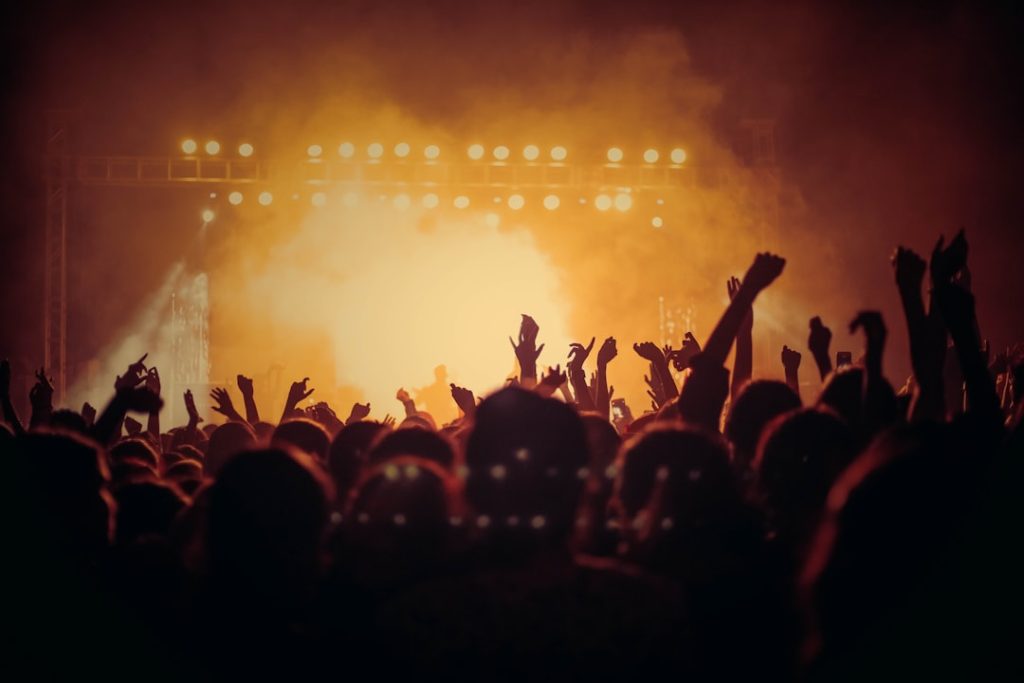
Live performances are not just about showcasing your music; they also present excellent opportunities for press coverage. When planning shows, consider inviting local journalists or bloggers who cover music events in your area. A personal invitation can lead to reviews or features that highlight your performance.
Additionally, use live shows as a platform to generate buzz around new releases or upcoming projects. Promote these events through social media and local listings to attract attention from both fans and media alike. Capturing high-quality video footage from performances can also serve as valuable content for future press opportunities, showcasing your energy and stage presence.
Harnessing the Power of Online Music Platforms for Press
Online music platforms like Spotify, SoundCloud, and Bandcamp are not just places to host your music; they can also be leveraged for press opportunities. Many blogs and publications look for new music on these platforms when curating playlists or writing reviews. Make sure your profiles are complete and up-to-date with high-quality images and engaging bios.
Consider submitting your tracks to playlists curated by influencers or blogs that align with your genre. Getting featured on popular playlists can lead to increased visibility and attract media attention. Additionally, engaging with listeners through comments or social media linked to these platforms can help build a loyal fan base that supports your press efforts.
Collaborating with Other Indie Artists for Press Coverage
Collaborating with other indie artists can be an effective way to expand your reach and gain press coverage. Joint projects such as singles, EPs, or even live shows can attract attention from both artists’ fan bases and media outlets. When you collaborate, you tap into each other’s networks, increasing the chances of gaining new listeners and securing press features.
When planning collaborations, choose artists whose style complements yours but who also have their own unique following. This synergy can create exciting content that appeals to both audiences. Promote the collaboration through both artists’ channels to maximize visibility and encourage media outlets to cover the story.
Measuring the Impact of Your Press Efforts
After implementing various press strategies, it’s important to measure their impact on your career as an indie artist. Start by tracking metrics such as website traffic, social media engagement, and streaming numbers before and after press coverage occurs. This data will help you understand which efforts are yielding results and which may need adjustment.
Additionally, pay attention to qualitative feedback from fans and industry professionals regarding how they discovered your music. This insight can guide future publicity efforts and help refine your approach over time. By regularly assessing the effectiveness of your press strategies, you can make informed decisions that enhance your visibility and growth as an artist.
In conclusion, navigating the world of press as an indie artist requires strategic planning and consistent effort. From crafting compelling press releases to building relationships with journalists and leveraging social media, each step plays a crucial role in gaining visibility in a competitive industry. By understanding these elements and measuring their impact over time, indie artists can effectively enhance their presence in the music scene.
FAQs
1. What is the importance of getting press as an indie artist?
Getting press as an indie artist is important because it can help increase your visibility, credibility, and reach within the music industry. Press coverage can also help you attract new fans, secure more opportunities for live performances, and potentially catch the attention of industry professionals.
2. What are some strategies for getting press as an indie artist?
Some strategies for getting press as an indie artist include creating a compelling press kit, building relationships with music journalists and bloggers, submitting your music to relevant publications, and leveraging social media and online platforms to showcase your work and engage with potential press contacts.
3. How can an indie artist effectively pitch their music to press outlets?
Indie artists can effectively pitch their music to press outlets by personalizing their pitches, highlighting their unique story or sound, providing high-quality promotional materials, and demonstrating an understanding of the outlet’s audience and content. It’s also important to follow up with press contacts in a professional and respectful manner.
4. What are some common mistakes indie artists make when trying to get press coverage?
Some common mistakes indie artists make when trying to get press coverage include sending generic or impersonalized pitches, not doing enough research on the press outlets they’re targeting, being overly persistent or pushy with press contacts, and failing to follow through on any promises made during the pitching process.
5. How can press coverage benefit an indie artist’s career in the long run?
Press coverage can benefit an indie artist’s career in the long run by helping to establish their brand, build a loyal fan base, and open up opportunities for collaborations, partnerships, and industry recognition. Additionally, positive press coverage can contribute to an artist’s overall credibility and influence within the music community.

