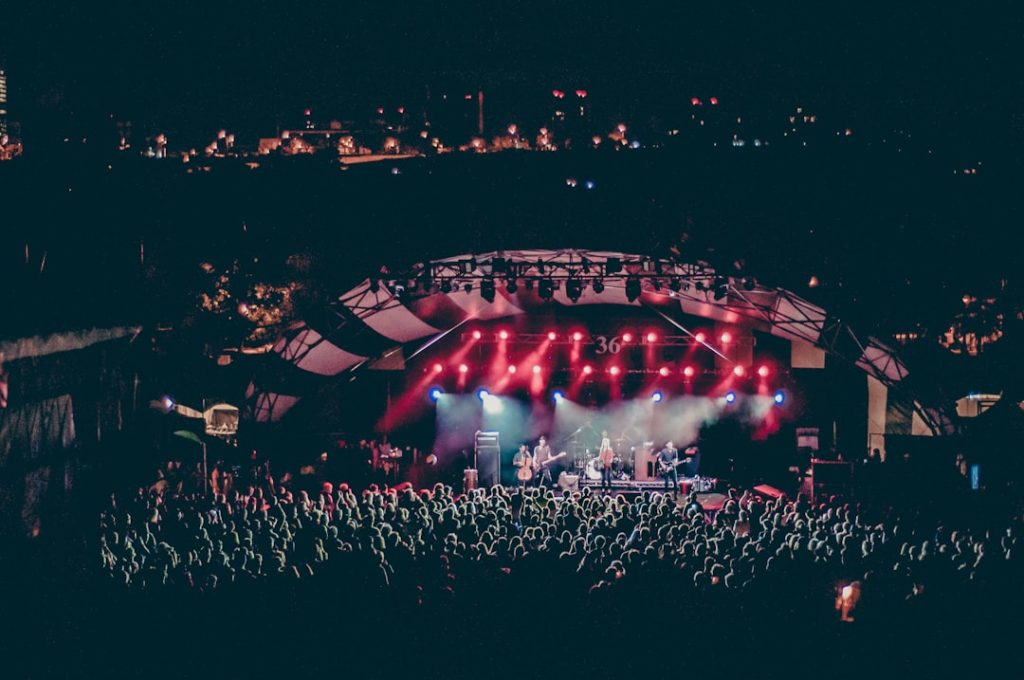
Finding your unique voice is essential in the music industry. Authenticity resonates with listeners, and it sets you apart from countless other artists. To discover your true sound, start by reflecting on your influences and experiences. What genres speak to you? What stories do you want to tell? This self-exploration can lead to a more genuine expression of your artistry. When you embrace your individuality, you create music that feels real, and that authenticity can attract a dedicated fan base.
Once you have a clearer sense of your voice, it’s important to stay true to it, even as you evolve. Many artists feel pressure to conform to trends or popular sounds, but this can dilute your message. Instead, focus on honing your craft and developing your style. Experiment with different instruments, songwriting techniques, and production methods. The more you explore, the more you’ll refine what makes you unique. Remember, your authenticity is your greatest asset in a crowded market.
Navigating the Digital Landscape: Utilizing Social Media and Streaming Platforms
The digital landscape offers vast opportunities for musicians to reach audiences worldwide. Social media platforms like Instagram, TikTok, and Twitter allow you to connect directly with fans and share your journey. Regularly posting updates about your music, behind-the-scenes content, and personal stories can help build a loyal following. Engaging with your audience through comments and messages fosters a sense of community and makes fans feel valued.
Streaming platforms like Spotify and Apple Music are crucial for getting your music heard. Create playlists that feature your songs alongside tracks from artists you admire. This not only showcases your music but also helps you tap into existing fan bases. Additionally, consider submitting your tracks to playlists curated by influencers or music blogs. Getting featured on popular playlists can significantly increase your visibility and introduce your sound to new listeners.
Building a Strong Personal Brand: Creating a Memorable Image
A strong personal brand is vital for standing out in the music industry. Your brand encompasses not just your music but also your visual identity, messaging, and overall presence. Start by defining what you want your brand to represent. Think about the themes in your music and how they align with your personal values. This clarity will guide your decisions regarding visuals, marketing strategies, and public interactions.
Visual elements play a significant role in branding. Invest time in creating eye-catching album artwork, promotional materials, and social media graphics that reflect your style. Consistency is key; use similar colors, fonts, and imagery across all platforms to create a cohesive look. Your brand should tell a story that resonates with fans and invites them into your world. When people can connect with your image as much as they do with your music, they are more likely to become lifelong supporters.
Collaborating with Like-Minded Artists: Fostering Creativity and Innovation
Collaboration can be a powerful tool for growth as an artist. Working with like-minded musicians allows you to share ideas, experiment with new sounds, and push creative boundaries. Seek out artists whose work you admire or who complement your style. Collaborations can take many forms, from co-writing songs to featuring on each other’s tracks or even creating joint projects.
These partnerships not only enhance your music but also expand your reach. When you collaborate with another artist, you tap into their fan base as well. This cross-pollination can introduce you to new listeners who may appreciate your sound. Additionally, collaborating fosters a sense of community within the music scene, encouraging innovation and support among artists.
Diversifying Your Revenue Streams: Monetizing Your Music in a Changing Industry
The music industry is constantly evolving, making it essential for artists to diversify their revenue streams. Relying solely on album sales or streaming royalties can be risky in today’s market. Explore various avenues for monetization, such as merchandise sales, live performances, and licensing opportunities. Creating branded merchandise like T-shirts or vinyl records can provide additional income while promoting your brand.
Consider offering exclusive content through platforms like Patreon or Bandcamp. These platforms allow fans to support you directly in exchange for unique perks such as early access to new music or behind-the-scenes content. Additionally, look into licensing your music for use in films, commercials, or video games. This can provide significant financial rewards while exposing your work to new audiences.
Engaging with Your Audience: Connecting with Fans on a Personal Level
Building a connection with your audience is crucial for long-term success as an artist. Fans appreciate when musicians take the time to engage with them personally. Use social media to share updates about your life and creative process, but also make an effort to respond to comments and messages. Acknowledging fans’ support fosters loyalty and encourages them to spread the word about your music.
Consider hosting live Q&A sessions or virtual concerts where fans can interact with you in real-time. These events create an intimate atmosphere that allows for deeper connections. Sharing personal stories behind your songs can also resonate with listeners on an emotional level, making them feel more invested in your journey as an artist.
Leveraging Technology: Using AI and Virtual Reality to Enhance Your Performance
Technology is transforming the way artists create and perform music. Artificial intelligence (AI) tools can assist in songwriting, production, and even marketing strategies. Explore AI-driven platforms that help analyze trends or generate ideas based on listener preferences. These insights can inform your creative decisions and help you stay relevant in a competitive landscape.
Virtual reality (VR) is another exciting avenue for enhancing performances. VR technology allows artists to create immersive experiences for fans, whether through virtual concerts or interactive music videos. This innovative approach not only captivates audiences but also sets you apart from other artists who may not be utilizing these tools yet.
Staying Ahead of Trends: Adapting to the Ever-Evolving Music Industry
The music industry is constantly changing, influenced by shifts in technology, consumer behavior, and cultural trends. Staying ahead of these changes is essential for maintaining relevance as an artist. Regularly research industry news and emerging trends to understand what’s resonating with audiences. This knowledge will help you adapt your strategies accordingly.
Be open to experimenting with new genres or styles that may be gaining popularity. While it’s important to stay true to your voice, being flexible can open up new opportunities for growth. Collaborating with artists from different genres can also introduce fresh ideas into your work and keep your sound evolving.
Creating Compelling Visual Content: Enhancing Your Music with Visual Storytelling
Visual content plays a significant role in how audiences perceive music today. Music videos, album artwork, and promotional images should complement the themes of your songs while capturing attention. Invest time in developing visually compelling narratives that enhance the listening experience.
Consider collaborating with visual artists or filmmakers who share your vision. A well-produced music video can elevate a song’s impact and reach a wider audience through platforms like YouTube or social media. Additionally, behind-the-scenes content showcasing the creative process can engage fans and provide insight into your artistry.
Cultivating a Strong Work Ethic: Nurturing Discipline and Consistency in Your Craft
Success in the music industry requires dedication and hard work. Cultivating a strong work ethic is essential for honing your craft and achieving your goals. Set aside regular time for songwriting, practice, and recording sessions to maintain consistency in your output.
Establishing a routine helps build discipline and keeps you focused on your objectives. Track your progress over time to see how far you’ve come and identify areas for improvement. Surround yourself with supportive individuals who encourage accountability and motivate you to stay committed to your artistic journey.
Navigating the Business Side: Understanding Contracts, Royalties, and Legalities as an Independent Artist
Understanding the business side of music is crucial for independent artists looking to thrive in the industry. Familiarize yourself with contracts, royalties, and legalities that come into play when releasing music or collaborating with others. Seek resources or consult professionals who can help clarify complex terms and ensure you’re making informed decisions.
Pay attention to how royalties are calculated across different platforms and what rights you retain as an artist. This knowledge empowers you to negotiate better deals and protect your interests as you navigate the ever-changing landscape of the music business. Being proactive about these aspects will help secure a sustainable career in music while allowing you to focus on what you love most—creating art.
FAQs
1. What are some current challenges independent artists face in 2026?
Independent artists in 2026 face challenges such as standing out in a saturated market, navigating the digital landscape, and finding opportunities for exposure and growth.
2. How can independent artists differentiate themselves in 2026?
Independent artists can stand out in 2026 by focusing on their unique brand, engaging with their audience on social media, collaborating with other artists, and leveraging new technologies and platforms for promotion and distribution.
3. What role does technology play in helping independent artists stand out in 2026?
Technology plays a crucial role in helping independent artists stand out in 2026 by providing access to affordable recording and production tools, online platforms for distribution and promotion, and data analytics to understand and reach their audience.
4. What are some effective strategies for independent artists to gain visibility in 2026?
Effective strategies for independent artists to gain visibility in 2026 include creating high-quality content, engaging with fans through live streaming and interactive experiences, networking with industry professionals, and seeking out niche communities and platforms.
5. How can independent artists adapt to the changing music industry landscape in 2026?
Independent artists can adapt to the changing music industry landscape in 2026 by staying informed about industry trends, being open to new business models and revenue streams, and continuously honing their craft and brand to remain relevant and competitive.

